
What Is a Stroke?
A stroke happens when blood flow to part of the brain stops. Because the brain needs oxygen, this can cause brain cells to die. As a result, people may lose movement, speech, or memory. According to the World Health Organization (WHO), stroke is a leading cause of disability worldwide. Early treatment is important for better recovery.
How Stroke Affects Movement and Balance
After a stroke, many people have trouble moving parts of their body. For example, one side may feel weak or numb. Sometimes, balance becomes a problem. This can make walking or standing hard. In addition, some people feel dizzy or unsteady. Because of these changes, daily tasks may become difficult. The Centers for Disease Control and Prevention (CDC) notes that stroke survivors often need help to regain movement and balance.
The Role of Physiotherapy in Stroke Recovery
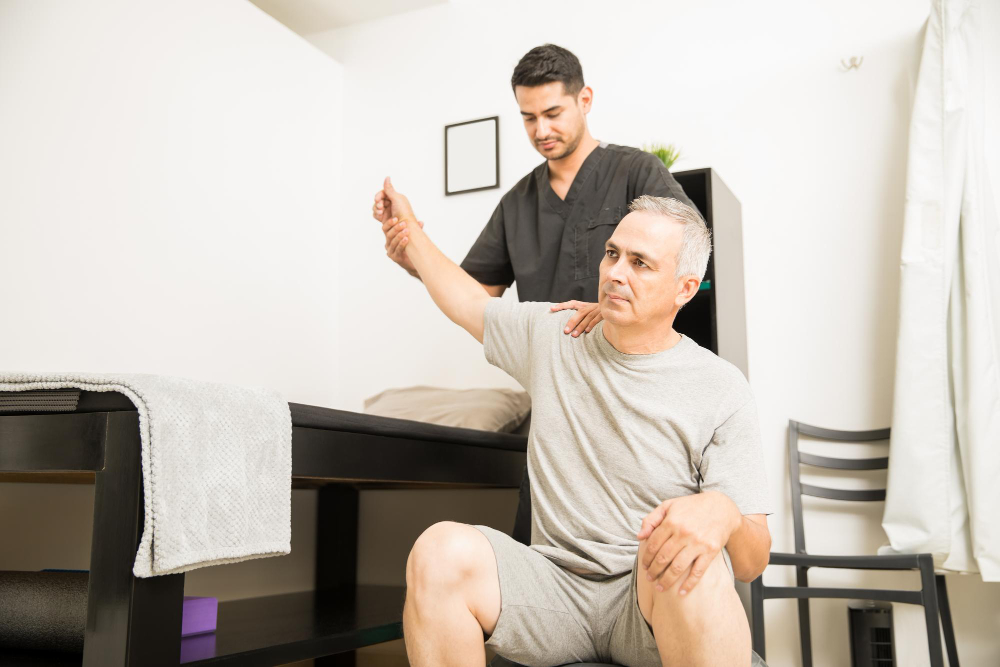
Physiotherapy for stroke movement and balance is a key part of recovery. Right after a stroke, a physiotherapist will assess your needs. Then, they create a plan to help you move better and feel steadier. Importantly, physiotherapy uses safe exercises and activities. These help retrain your muscles and brain. Over time, you may notice better strength and control. Stroke rehabilitation often starts in the hospital and continues at home or in a clinic.
Common Physiotherapy Techniques for Stroke Survivors
Physiotherapists use many methods to help stroke survivors. For example, they may use:
Because every stroke is different, your physiotherapist will adjust the plan to fit your needs. Stroke recovery exercises are chosen to match your abilities and goals.
Benefits of Physiotherapy for Movement and Balance
With regular physiotherapy, many stroke survivors see real progress. For instance, you may notice:
Because these changes can take time, it is important to keep practicing. The American Stroke Association reports that steady exercise and therapy help improve mobility after stroke.
Tips for Supporting Stroke Recovery at Home
Even at home, you can help your recovery. For example, you can:
Because progress may be slow, celebrate small steps. Every bit of movement gained is important.
Prevention of Further Stroke-Related Complications
After a stroke, preventing more problems is key. For instance, physiotherapy helps keep muscles strong and joints flexible. This lowers the risk of falls, pressure sores, or stiff joints. In addition, regular movement helps with blood flow and heart health. The CDC suggests staying active, eating healthy, and taking medicines as prescribed. If you notice new weakness, pain, or loss of balance, let your healthcare team know right away.