

What Is Prehabilitation?
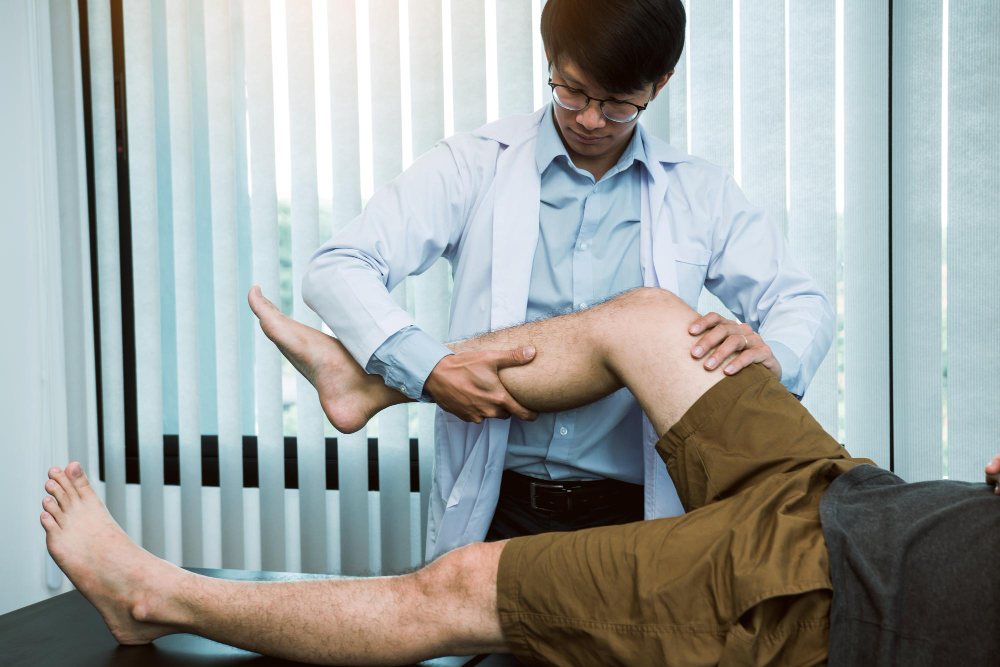
Prehabilitation means getting your body ready for surgery before it happens. In many cases, doctors recommend prehabilitation for people who need orthopaedic surgery. This process uses physiotherapy and special pre-surgery exercises to help you build strength and flexibility. As a result, you may recover faster after your operation. Prehabilitation is different from rehabilitation, which happens after surgery. Instead, prehabilitation starts weeks before your scheduled procedure. Many hospitals and clinics now offer prehabilitation programs for patients.
Why Is Prehabilitation Important Before Orthopaedic Surgery?
Before orthopaedic surgery, your body may be weak or stiff. However, prehabilitation helps you get stronger and more flexible. This can make surgery safer and recovery easier. For example, people who do prehabilitation often have fewer problems after surgery. According to the World Health Organization, good preparation can lower your risk of complications. In addition, prehabilitation helps you learn what to expect during recovery. This way, you feel more confident and ready for your operation.
Key Benefits of Physiotherapy Prehabilitation
Physiotherapy is a key part of prehabilitation. It offers many benefits, such as:
Moreover, physiotherapists teach you safe ways to move and use walking aids if needed. They also help you set realistic goals for your recovery.
Typical Prehabilitation Exercises and Techniques
Prehabilitation programs use a mix of exercises and techniques. These are chosen based on your surgery and health needs. For instance, your physiotherapist may include:
Sometimes, you will also practice using crutches or walkers. This helps you feel more comfortable after surgery. Each program is tailored to your abilities and goals.
How Prehabilitation Improves Surgical Outcomes
Many studies show that prehabilitation leads to better surgical outcomes. For example, people who do pre-surgery exercises often heal faster. They may also have less pain and fewer complications. In addition, prehabilitation can lower your risk of hospital readmission. The Centers for Disease Control and Prevention (CDC) supports programs that help patients prepare for surgery. Because you start recovery from a stronger place, you may return to normal life sooner.
Tips for Getting Started With Prehabilitation
Starting prehabilitation is simple, but you should follow your doctor’s advice. Here are some tips to help you begin:
Remember, every step you take before surgery can help you recover better afterward.