

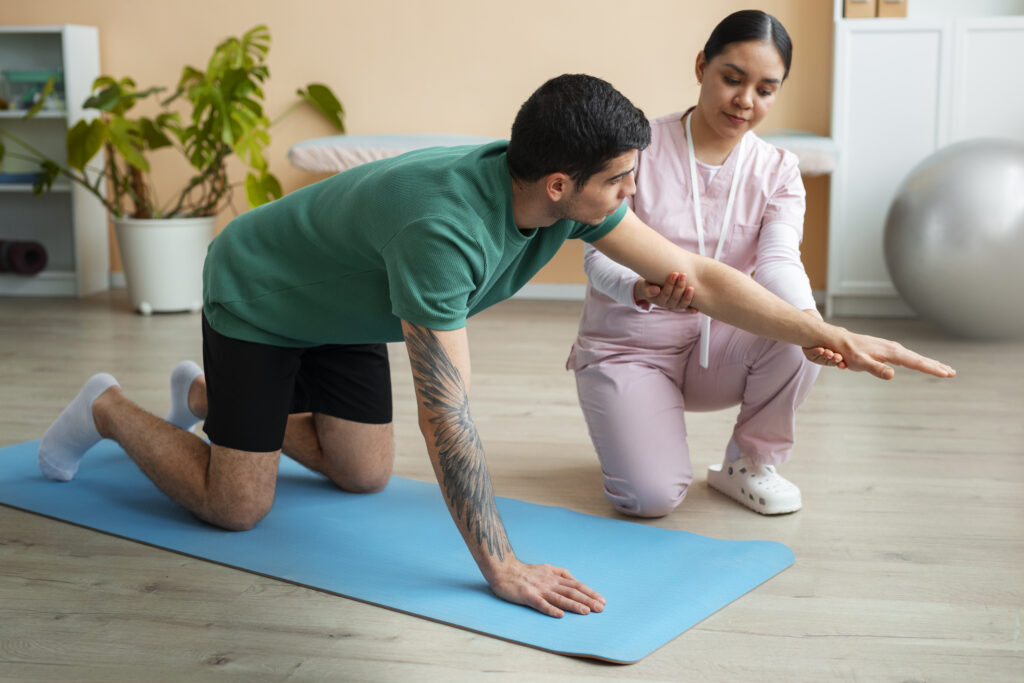
What is Passive Movement Therapy?
Passive movement therapy is a gentle way to move joints when a person cannot move them alone. In this therapy, a caregiver or therapist moves the patient’s arms or legs for them. For example, they may bend and straighten the elbow or knee. This helps keep the joints flexible. Often, passive movement therapy is used for people who are bedridden or unable to move due to illness or injury. The main goal is to keep the joints healthy and prevent stiffness.
Why is Passive Movement Therapy Important for Immobile Patients?
Many people cannot move on their own because of illness, injury, or surgery. For these immobile patients, joints can become stiff and muscles can weaken. Over time, this may lead to pain and even permanent loss of movement. However, passive movement therapy for immobile patients helps keep the joints working. According to the World Health Organization (WHO), regular movement is key for joint health in bedridden individuals. Without it, joints may lock up, making recovery harder.
How Does Passive Movement Therapy Work?
During passive movement therapy, a trained person gently moves the patient’s joints. They follow a set pattern, moving each joint through its normal range. For instance, they may slowly bend and straighten the knee several times. Usually, each movement is repeated a few times. This process does not require any effort from the patient. Instead, the therapist or caregiver does all the work. As a result, the joints stay flexible, and blood flow improves.
Benefits of Passive Movement Therapy
Passive movement therapy offers many benefits, especially for those who cannot move by themselves. Some key benefits include:
Moreover, regular therapy can make it easier for patients to regain movement later. It also helps prevent joint stiffness without movement.
Risks and Considerations
While passive movement therapy is safe for most people, there are some risks. For example, moving a joint too far can cause pain or injury. In some cases, patients may have fragile bones or wounds that need special care. Therefore, it is important to follow a therapist’s advice. Always stop if the patient feels pain or discomfort. According to the CDC, therapy should be adjusted for each person’s needs.
How to Access Passive Movement Therapy
There are several ways to access passive movement therapy. Many hospitals and rehabilitation centers offer this service. Often, a physiotherapist will design a plan for the patient. In some cases, caregivers can learn how to do the movements at home. However, it is best to get training from a professional first. This ensures the therapy is safe and effective.
Tips for Caregivers and Families
Caring for someone who cannot move can be challenging. Yet, there are ways to help:
Additionally, always talk to a healthcare provider before starting any new therapy.
Prevention of Joint Stiffness and Complications
Preventing joint stiffness is important for long-term health. Passive movement therapy plays a big role in this. However, there are other steps to consider:
In summary, combining passive movement therapy with good care can help prevent many problems.
For the best results, consult a physiotherapist for personalized advice on passive movement therapy.