

What Is Osteoarthritis?
Osteoarthritis is a common joint condition. It happens when the protective cartilage in your joints wears down over time. Because of this, bones may rub together, causing pain and stiffness. According to the World Health Organization (WHO), osteoarthritis is the most common form of arthritis worldwide. Many people seek osteoarthritis physiotherapy to manage their symptoms and stay active.
Common Symptoms of Osteoarthritis
Osteoarthritis can affect any joint, but it often impacts knees, hips, hands, and spine. While symptoms can vary, some are more common than others. For example, you may notice:
Sometimes, symptoms may come and go. However, they can get worse over time if not managed.
Causes and Risk Factors
Osteoarthritis develops when cartilage breaks down. But what causes this to happen? Several factors can increase your risk, such as:
Even though some risk factors cannot be changed, others can be managed with healthy choices.
How Osteoarthritis Affects Daily Life
Living with osteoarthritis can make daily tasks harder. For instance, you may find it tough to walk, climb stairs, or open jars. Because joint pain and stiffness limit movement, you might avoid activities you once enjoyed. Over time, this can lead to muscle weakness and less independence. However, with the right support, many people continue to lead active lives.
The Role of Physiotherapy in Osteoarthritis Management
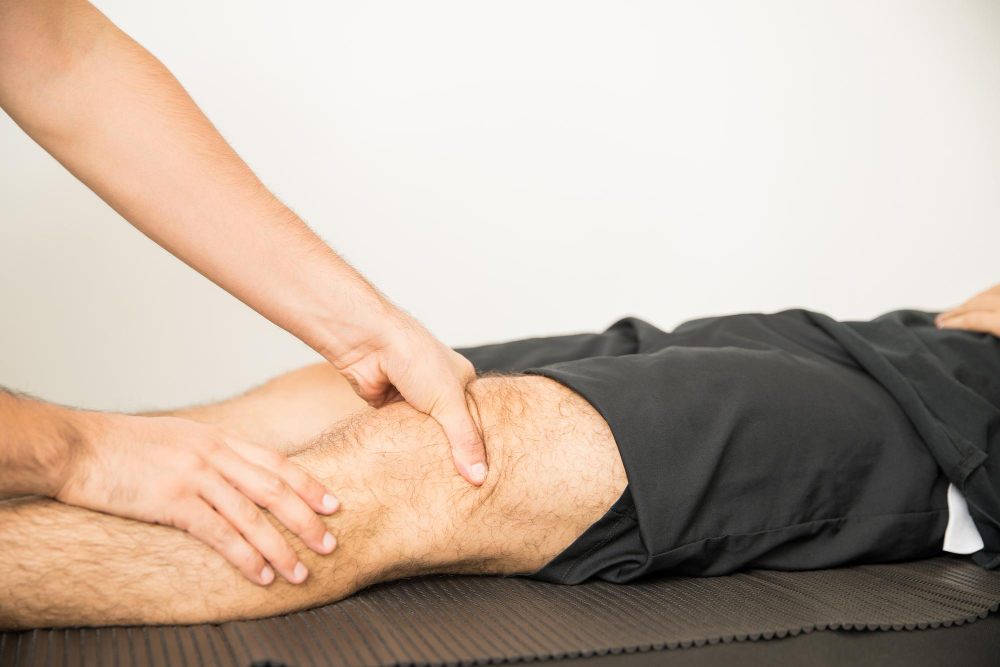
Physiotherapy for osteoarthritis is a key part of treatment. It helps reduce joint pain, improve movement, and boost strength. In fact, the Centers for Disease Control and Prevention (CDC) recommends exercise and physiotherapy as first-line treatments. Physiotherapists create safe, personalized plans to help you manage symptoms and stay active. Additionally, they teach you how to protect your joints during daily tasks.
Physiotherapy Techniques for Reducing Joint Pain
Many people ask how osteoarthritis physiotherapy can help with joint pain relief. Physiotherapists use several proven techniques, including:
Because each person is different, your physiotherapist will tailor these methods to your needs. You can find these services at physiotherapy clinics near you.
Improving Mobility Through Physiotherapy
Improving mobility with physiotherapy is possible for most people with osteoarthritis. For example, regular movement keeps joints flexible and muscles strong. Physiotherapists guide you through safe exercises that match your ability. They may also suggest balance and coordination activities to prevent falls. As you gain strength and confidence, daily tasks often become easier. Moreover, staying active can slow the progress of joint stiffness.
Lifestyle Tips for Living with Osteoarthritis
Alongside osteoarthritis physiotherapy, healthy habits support joint health. Consider these tips:
With these changes, you may notice less pain and better movement.
Prevention and Early Intervention
While not all cases of osteoarthritis can be prevented, early action helps. For instance, staying active and keeping a healthy weight lowers your risk. If you notice joint pain or stiffness, see a healthcare provider soon. Early physiotherapy for osteoarthritis can slow joint damage and improve long-term outcomes. Many physiotherapy clinics near you offer assessments and advice for early joint care.