

What is Cerebral Palsy?
Cerebral palsy is a group of conditions that affect movement and muscle control. It often starts before birth or soon after. Children with cerebral palsy may have trouble walking, sitting, or using their hands. Sometimes, they also have problems with balance or coordination. Although the condition does not get worse over time, its effects can change as a child grows. For many families, understanding cerebral palsy is the first step toward finding the right support.
The Role of Physiotherapy in Cerebral Palsy
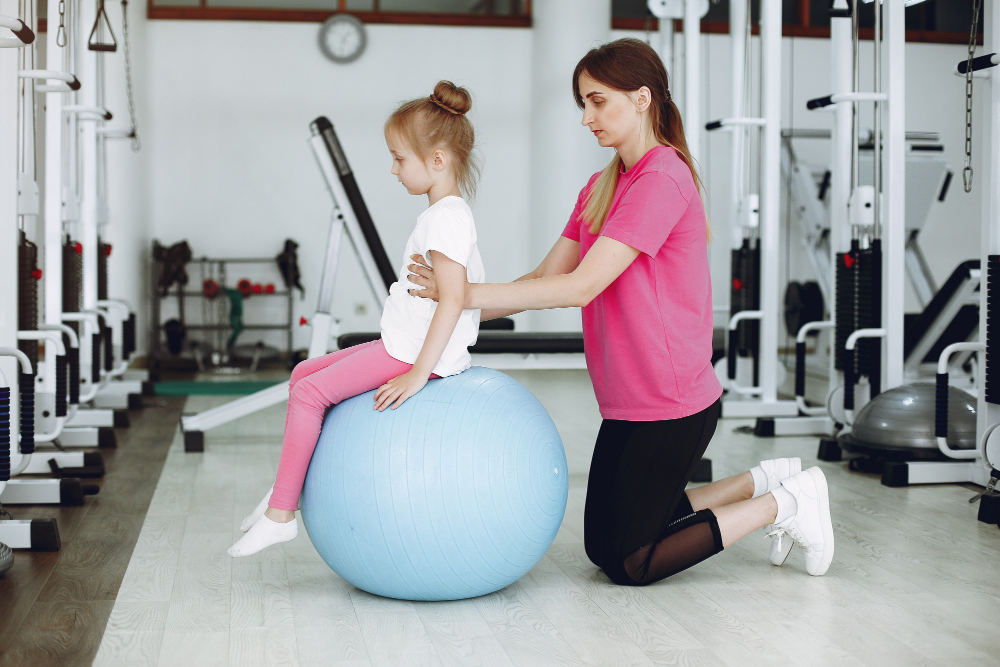
Physiotherapy for children with cerebral palsy plays a key role in their care. It helps improve movement, strength, and flexibility. Because each child is unique, pediatric physiotherapy plans are tailored to their needs. In fact, early intervention can make a big difference. According to the World Health Organization (WHO), regular therapy supports better outcomes. As a result, many families choose cerebral palsy rehabilitation as part of their child’s daily routine.
Key Benefits of Physiotherapy for Children with Cerebral Palsy
There are many benefits of physiotherapy for cerebral palsy. Some of the most important include:
Moreover, regular therapy can boost a child’s confidence and social skills. This helps them take part in school and community life.
Common Physiotherapy Techniques Used
Pediatric physiotherapists use many techniques to help children with cerebral palsy. Some common methods include:
Because every child is different, therapists choose the best techniques for each child’s needs.
How to Start Physiotherapy for Your Child
If you think your child may benefit from physiotherapy, talk to your doctor first. They can refer you to a pediatric physiotherapist. After that, the therapist will assess your child’s movement and needs. Then, they will create a plan that fits your child’s goals. In many cities, you can find clinics that offer cerebral palsy rehabilitation. Some therapists even provide home visits for added comfort.
Tips for Parents and Caregivers
Supporting your child through physiotherapy can feel overwhelming. However, there are simple ways to help:
Above all, remember that progress may take time. Patience and support make a big difference.
Prevention of Secondary Complications
With regular physiotherapy, children can avoid many secondary problems. For example, therapy helps prevent joint stiffness and muscle tightness. It also lowers the risk of bone and joint issues. In addition, staying active can reduce pain and improve overall health. Therefore, ongoing therapy is important for long-term well-being.
When to Consult a Physiotherapist
It is important to seek help if you notice changes in your child’s movement. For instance, if your child has new pain, trouble walking, or increased stiffness, consult a physiotherapist. Early support can prevent bigger problems later. Even if your child is already in therapy, regular check-ins are helpful. This ensures the treatment plan stays up to date.
In summary, physiotherapy for children with cerebral palsy offers many benefits. It supports better movement, independence, and quality of life. Consult a qualified physiotherapist for personalized guidance on managing cerebral palsy in children.