

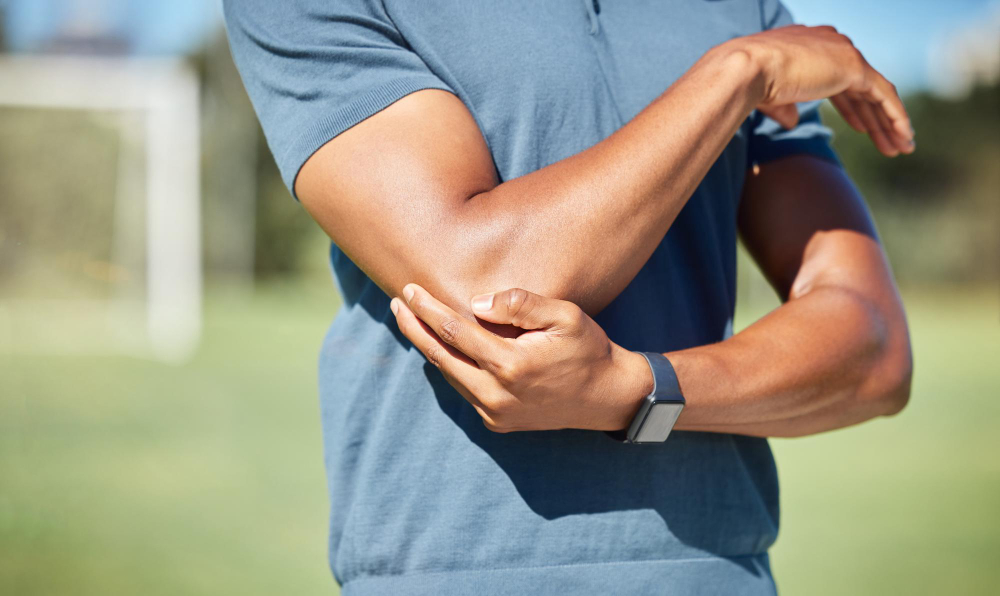
Golfer’s elbow is a common condition that causes pain on the inside of your elbow. Although it often affects golfers, anyone who uses their arm for repetitive movements can get it. Because Golfer’s elbow can limit daily activities, early treatment is important. In this blog, you will learn about symptoms, causes, diagnosis, and effective physiotherapy treatments for Golfer’s elbow.
What is Golfer’s Elbow?
Golfer’s elbow, also called medial epicondylitis, is an injury to the tendons on the inside of your elbow. These tendons help you move your wrist and fingers. When they get overused or strained, pain and swelling can develop. While it is common in golfers, it can also affect people who do other activities that use the same arm motions.
Common Symptoms
Recognizing the symptoms early can help you get the right treatment. Here are some signs to watch for:
Sometimes, the pain can spread down your forearm. However, symptoms may vary from person to person.
Causes and Risk Factors
Golfer’s elbow happens when you repeat the same arm movements over time. This overuse strains the tendons. Several factors can increase your risk:
For example, using the wrong grip or swinging technique in sports can make the problem worse. In addition, not warming up before activity can increase your risk.
How is Golfer’s Elbow Diagnosed?
Doctors usually diagnose Golfer’s elbow by asking about your symptoms and examining your arm. They may press on your elbow to check for pain. Sometimes, they will ask you to move your wrist or fingers to see what causes discomfort. In rare cases, your doctor may order an X-ray or ultrasound to rule out other problems. However, most people do not need special tests.
Physiotherapy and Treatment Options
Physiotherapy is one of the best ways to treat Golfer’s elbow. Early treatment can help you recover faster. Here are some effective options:
In some cases, your physiotherapist may use ultrasound therapy or other treatments to speed up healing. Most people improve with these methods. However, severe cases may need further medical care.
Home Care and Prevention Tips
There are steps you can take at home to manage and prevent Golfer’s elbow. Consider these tips:
By following these steps, you can lower your risk of injury. In addition, early care can prevent the problem from getting worse.
When to See a Physiotherapist
If your elbow pain does not improve after a few days of rest, it is time to see a physiotherapist. Also, if you notice swelling, numbness, or trouble moving your arm, seek help. A physiotherapist can create a treatment plan that fits your needs. Early care can help you recover faster and prevent long-term problems.
In summary, Golfer’s elbow can affect anyone who uses their arm for repeated movements. However, with the right care and physiotherapy, most people recover well. Consult a qualified physiotherapist for personalized advice on managing Golfer’s elbow.