

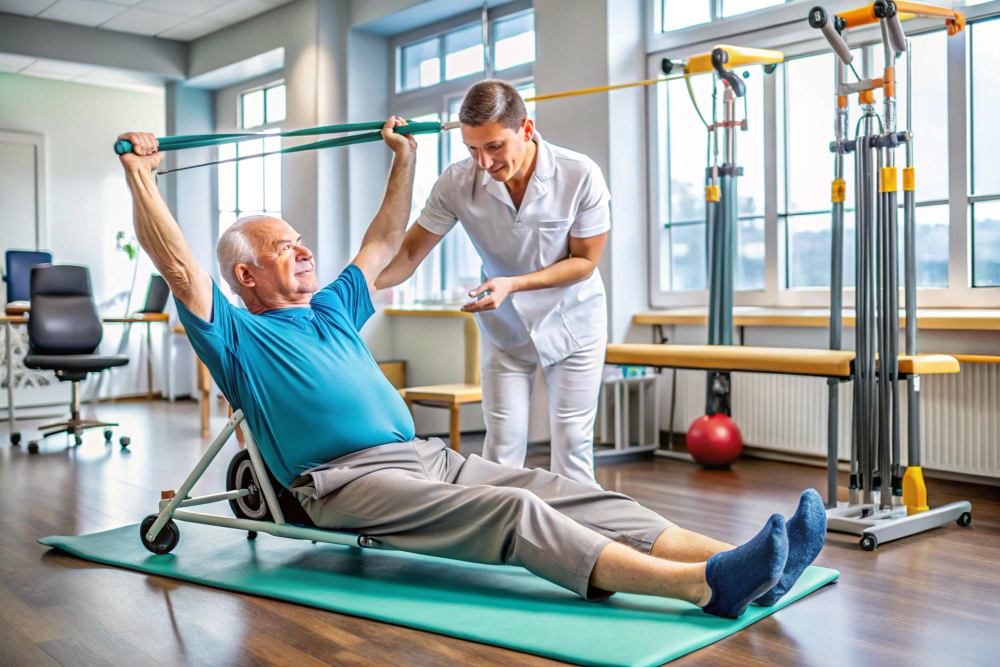
What Is Geriatric Rehabilitation?
Geriatric rehabilitation helps older adults regain strength, movement, and independence. It focuses on improving daily life after illness, injury, or surgery. Because aging brings unique challenges, this care is tailored for seniors. In fact, geriatric rehabilitation can make a big difference in quality of life. Many families seek these services to help loved ones stay active and safe at home.
Common Challenges Faced by Older Adults
As people age, they may face several health issues. However, early support can help manage these problems. Common challenges include:
Because these issues can affect independence, geriatric rehabilitation is often recommended.
Goals and Benefits of Geriatric Rehabilitation
The main goal is to help seniors live as fully as possible. For example, therapy can restore movement after a fall or surgery. Other benefits include:
Moreover, families often notice a boost in mood and social activity.
Assessment and Diagnosis Process
First, a healthcare team will assess the senior’s needs. This usually includes a physical exam, questions about daily life, and sometimes simple tests. For instance, they may check walking speed, balance, and memory. After the assessment, the team creates a personalized plan. Because every person is different, this plan is unique to each senior.
Evidence-Based Treatment Approaches
Several proven methods are used in geriatric rehabilitation. These include:
Because these treatments are safe and effective, they are widely recommended by experts, including the World Health Organization (WHO).
Lifestyle and Home-Based Strategies
In addition to therapy, simple changes at home can support recovery. For example, you can:
Because small steps add up, these changes can make daily life much safer.
Preventing Disability and Falls in Older Adults
Falls are a leading cause of injury in seniors. However, many falls can be prevented. To lower the risk, consider these tips:
Because prevention is key, early action can help seniors stay independent longer.
When to Seek Professional Help
If an older adult has trouble moving, falls often, or struggles with daily tasks, it is time to seek help. Additionally, sudden changes in memory or mood should be checked by a doctor. Early support from a physiotherapist or rehabilitation specialist can make recovery easier and faster. For those in need, many cities offer geriatric rehabilitation services close to home.
Conclusion
Geriatric rehabilitation gives older adults the tools to stay active and independent. Because every person is unique, a personalized plan works best. If you or a loved one needs support, consult a qualified physiotherapist or rehabilitation specialist for personalized advice on geriatric rehabilitation.