

Introduction to Pelvic Floor Exercises for Pregnancy
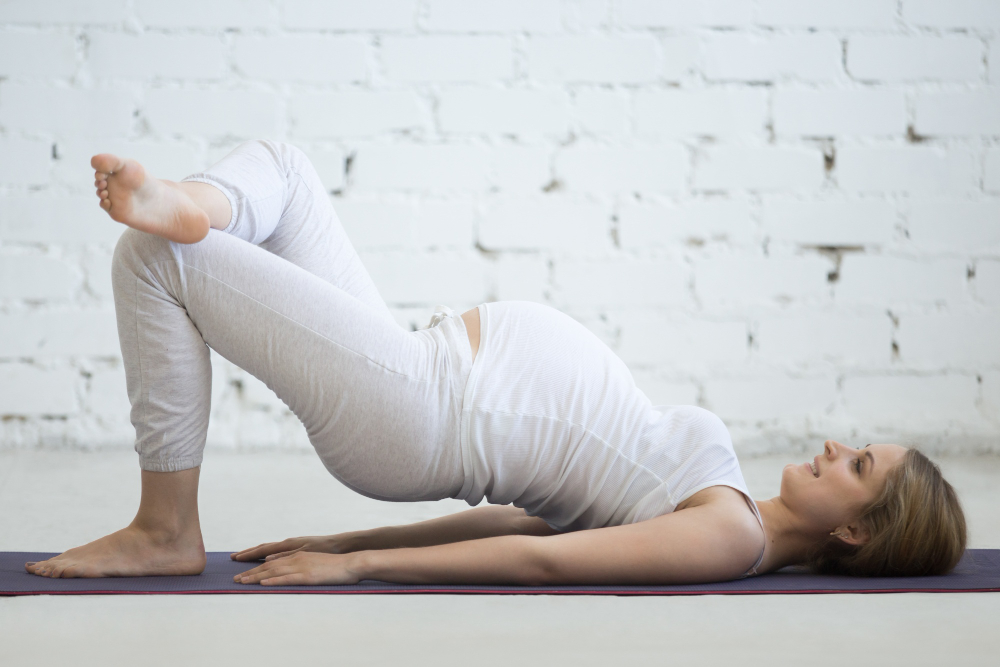
Pelvic floor exercises for pregnancy are simple movements that help strengthen the muscles at the bottom of your pelvis. These muscles support your bladder, uterus, and bowels. During pregnancy, these muscles face extra pressure. Because of this, it is important to keep them strong. Many doctors and physiotherapists recommend pelvic floor exercises for pregnancy. They can help you stay comfortable and healthy as your body changes.
Benefits of Pelvic Floor Exercises During Pregnancy
There are many reasons to do pelvic floor exercises while pregnant. For example, these exercises can:
In addition, regular practice can improve your comfort and confidence throughout pregnancy.
Common Symptoms and Issues Addressed
Many pregnant women notice changes in their bodies. Some common issues that pelvic floor exercises can help with include:
However, if you notice severe pain or heavy bleeding, you should contact your doctor right away.
Step-by-Step Guide to Safe Pelvic Floor Exercises
It is easy to start pelvic floor exercises for pregnancy at home. Follow these steps for a basic exercise, often called a Kegel:
Over time, you can increase the hold time as your muscles get stronger. But do not overdo it. If you feel pain, stop and rest.
Safety Tips and Precautions for Pregnant Women
While pelvic floor exercises are safe for most pregnant women, it is important to follow these tips:
Additionally, always check with your healthcare provider before starting any new exercise routine during pregnancy.
When to Consult a Physiotherapist or Healthcare Provider
Sometimes, you may need extra help with pelvic floor exercises. You should consult a physiotherapist or healthcare provider if you:
In these cases, a professional can guide you and make sure you are safe.
Lifestyle Guidance and Prevention Tips
Besides exercises, there are other ways to protect your pelvic floor during pregnancy. For example:
By following these tips, you can help prevent pelvic floor problems and support your health throughout pregnancy.
Conclusion
In summary, pelvic floor exercises for pregnancy offer many benefits. They are safe, simple, and can help you feel better during and after pregnancy. However, always consult a physiotherapist or healthcare provider for personalized advice on pelvic floor exercises during pregnancy.