
What is Cardiac Rehabilitation?
Cardiac rehabilitation is a special program for people with heart problems. It helps you recover after a heart attack, heart surgery, or other heart issues. The main goal is to improve your heart health and help you return to daily life. Cardiac rehabilitation, also called a heart recovery program, uses exercise, education, and support to make your heart stronger. Many doctors recommend it for better heart health after surgery or illness.
Why is Cardiac Rehabilitation Performed?
Doctors perform cardiac rehabilitation for several important reasons. First, it helps your heart heal after a heart attack or surgery. Also, it lowers the risk of future heart problems. Because it teaches you healthy habits, it can prevent more heart issues. Cardiac rehab benefits include:
In addition, the program supports your mental health. It gives you confidence to live a healthier life. According to the CDC, cardiac rehabilitation can reduce the risk of death from heart disease by up to 25%.
Who Needs Cardiac Rehabilitation?
Not everyone needs cardiac rehabilitation. However, doctors often suggest it for people who have:
People with risk factors like high blood pressure, diabetes, or obesity may also benefit. If you are unsure, ask your doctor if a heart recovery program is right for you.
How Does Cardiac Rehabilitation Work?
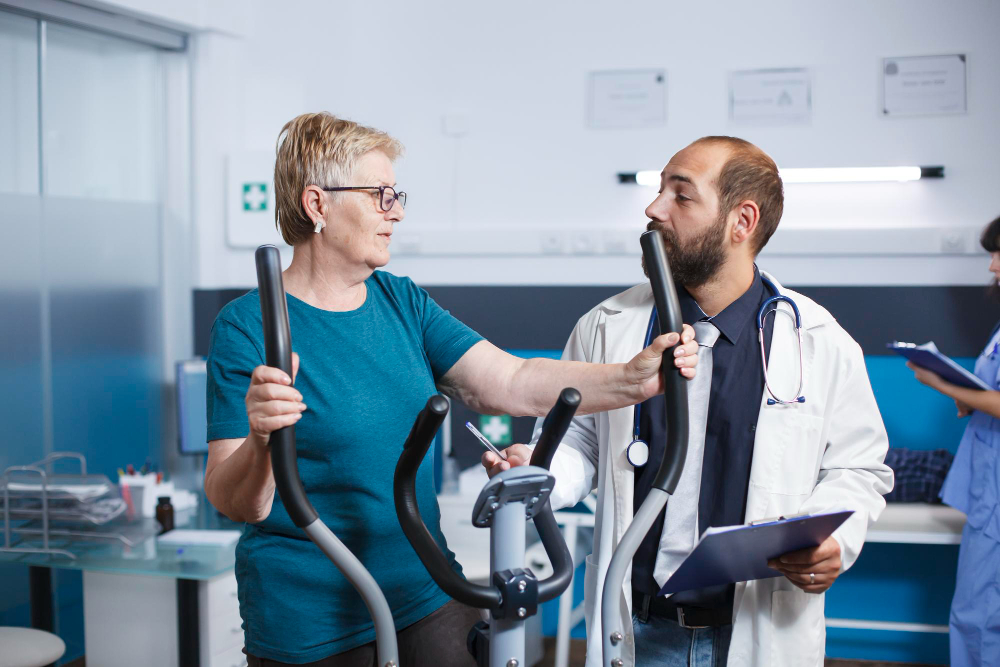
Cardiac rehabilitation usually takes place in a clinic or hospital. The program has several parts. For example, you may:
Each program is tailored to your needs. As a result, you get the best care for your heart recovery.
Benefits and Outcomes
Cardiac rehabilitation offers many benefits. Not only does it help your heart, but it also improves your overall well-being. Some key outcomes include:
Because of these benefits, many people feel stronger and more confident after completing the program. Studies show that people who join cardiac rehab live longer and have fewer hospital visits.
Safety and Effectiveness
Cardiac rehabilitation is safe for most people. Medical staff watch you closely during exercise. They adjust the program if needed. According to the World Health Organization (WHO) and the CDC, cardiac rehab is highly effective. It lowers the risk of death, improves quality of life, and reduces hospital stays. Most people complete the program without problems. However, always follow your doctor’s advice for the best results.
Frequently Asked Questions
In summary, cardiac rehabilitation is a proven way to recover from heart problems and improve your health. Consult a cardiac specialist or physiotherapist for personalized advice on cardiac rehabilitation.