

Introduction
An ACL injury is a tear or sprain of the anterior cruciate ligament in the knee. This injury often happens during sports or sudden movements. Physiotherapy for ACL injury is a key part of recovery. It helps restore strength, balance, and movement. With the right care, many people return to their normal activities. In this blog, you will learn about symptoms, recovery, exercises, and ways to prevent re-injury.
Symptoms and Impact of ACL Injury
When the ACL is injured, you may notice several signs. For example, you might hear a popping sound at the time of injury. Swelling often appears within a few hours. Many people feel pain and cannot put weight on the leg. Sometimes, the knee feels unstable or gives way. If left untreated, an ACL injury can lead to long-term knee problems. It may also increase the risk of arthritis later in life. Early treatment and proper care are important for the best outcome.
Role of Physiotherapy in ACL Injury Recovery
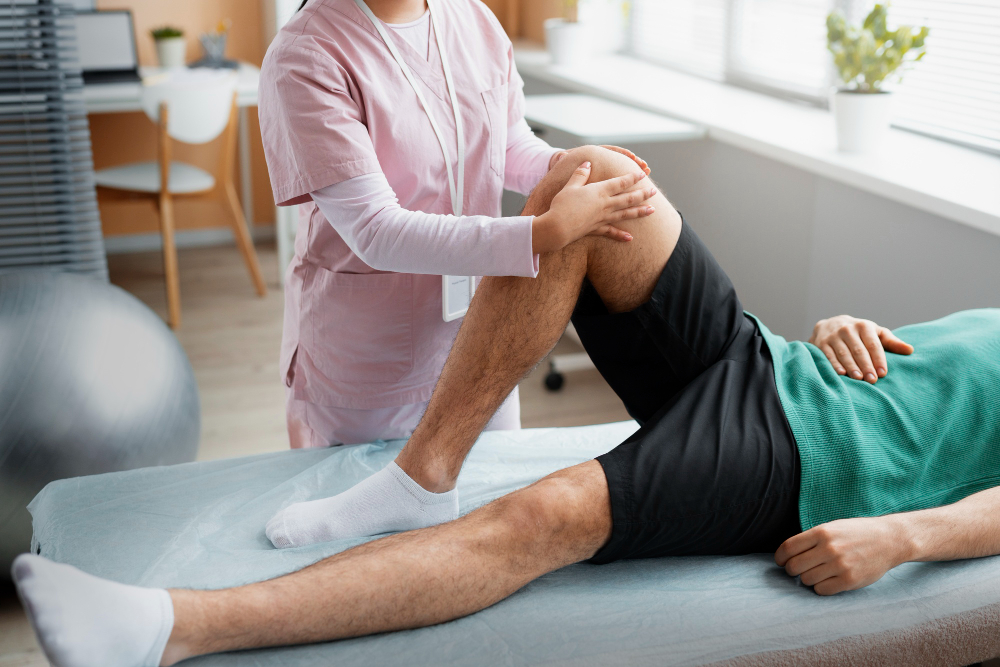
Physiotherapy plays a big role in ACL injury recovery. After an injury or surgery, the knee can become stiff and weak. However, a physiotherapist guides you through safe movements. They help reduce pain and swelling. Over time, you regain strength and balance. According to the CDC, structured rehabilitation improves knee function and lowers the risk of re-injury. In addition, physiotherapy supports a safe return to sports or daily life. The ACL injury recovery timeline can vary, but most people need several months of therapy.
Common Physiotherapy Exercises for ACL Injury
There are many ACL rehabilitation exercises that help the knee heal. Your physiotherapist will choose the right ones for you. Some common exercises include:
As you get stronger, your physiotherapist may add more advanced exercises. Always follow their advice to avoid injury.
Tips for Safe Rehabilitation and Prevention of Re-injury
Safe rehabilitation is key to a full recovery. Here are some tips to help you heal and avoid future injuries:
According to the WHO, regular exercise and proper technique lower the risk of sports injuries. Preventing ACL re-injury is possible with the right habits.
When to Seek Professional Help
Sometimes, home care is not enough. You should see a doctor or physiotherapist if:
Early treatment can prevent long-term problems. A licensed physiotherapist will create a plan that fits your needs and goals.
Consult a licensed physiotherapist for personalized ACL injury recovery guidance.