

Introduction
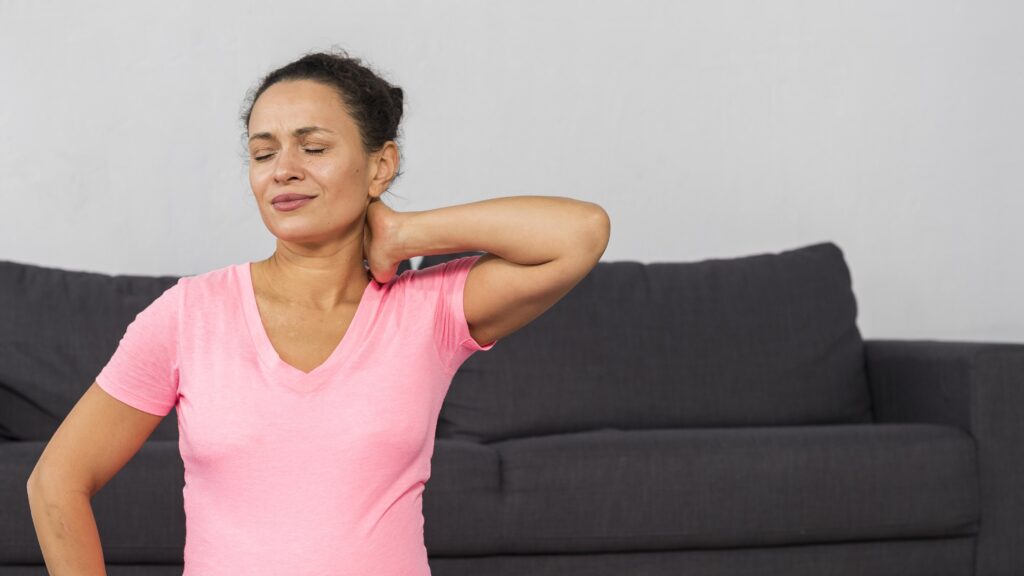
Cervical radiculopathy happens when a nerve in your neck gets pinched or irritated. This can cause pain, numbness, or weakness in your neck, shoulders, or arms. Many people find daily life harder because of these symptoms. However, targeted exercises can play a big role in cervical radiculopathy recovery. In this blog, you will learn about exercises that help, along with tips for safe recovery at home.
What is Cervical Radiculopathy?
Cervical radiculopathy is a condition where a nerve in the neck becomes compressed or inflamed. As a result, signals from the brain may not travel well to the arm or hand. This condition is sometimes called a “pinched nerve in the neck.” Often, it affects adults over 40, but anyone can get it.
Common Symptoms and Causes
People with cervical radiculopathy may notice several symptoms. For example, you might feel:
Usually, these symptoms appear on one side of the body. The most common causes include:
Sometimes, poor posture or heavy lifting can make the problem worse.
Diagnosis and When to Seek Help
If you have neck pain that spreads to your arm or hand, you should see a doctor. Early diagnosis helps prevent long-term problems. Doctors may use a physical exam, X-rays, or MRI scans to check for nerve pressure. If you notice sudden weakness, loss of bladder control, or severe pain, seek help right away. These signs may point to a more serious problem.
Benefits of Exercise in Recovery
Exercise is a key part of safe physiotherapy for cervical radiculopathy. With the right movements, you can:
According to the World Health Organization (WHO), gentle exercise can support recovery and lower the risk of future neck problems. However, always start slowly and listen to your body.
Top Exercises for Cervical Radiculopathy Recovery
Here are some home exercises for neck pain and nerve relief. Before starting, check with your doctor or physiotherapist. If any exercise causes sharp pain, stop right away.
1. Neck Retraction (Chin Tucks)
This exercise helps improve posture and reduce nerve pressure.
2. Shoulder Blade Squeeze
It strengthens upper back muscles and supports the neck.
3. Neck Side Bends (Lateral Flexion)
This stretch eases tightness in the neck muscles.
4. Nerve Gliding Exercise
Nerve gliding can help the nerve move more freely.
5. Gentle Neck Rotation
This exercise keeps your neck flexible and mobile.
Precautions and When to Avoid Exercise
Although exercise is helpful, there are times when you should avoid it. For instance, if you have:
Stop any exercise that makes your symptoms worse. Instead, rest and contact your healthcare provider. Always follow your doctor’s advice for safe physiotherapy for cervical radiculopathy.
Lifestyle Tips for Faster Recovery
Besides exercise, some daily habits can speed up healing. For example:
These tips can help reduce neck nerve pain and support your recovery.
Prevention Strategies
Even after you feel better, it is important to prevent future problems. You can:
With these steps, you lower your risk of neck pain returning.
Conclusion
Cervical radiculopathy recovery takes time and care. However, with the right exercises and lifestyle changes, you can ease pain and regain strength. For best results, consult a physiotherapist or healthcare provider for personalized guidance on cervical radiculopathy recovery.